Last reviewed September 2, 2026
Antarctica is remote in distance, not in consequence. Its ice affects global sea level; the Southern Ocean moves heat, carbon, and nutrients between ocean basins; and its sea ice helps organize an entire food web.
These briefings explain that system for a general reader. Each page separates measured change from projected change, links to primary scientific sources, and carries a review date so an old number cannot quietly masquerade as a new one.
One distinction runs through the whole section: land ice and sea ice are not interchangeable. Loss of grounded ice adds water to the ocean and raises sea level. Melting floating sea ice has little direct effect on sea level, but it changes habitat, exchanges of heat and moisture, and parts of ocean circulation. Both matter, for different reasons.
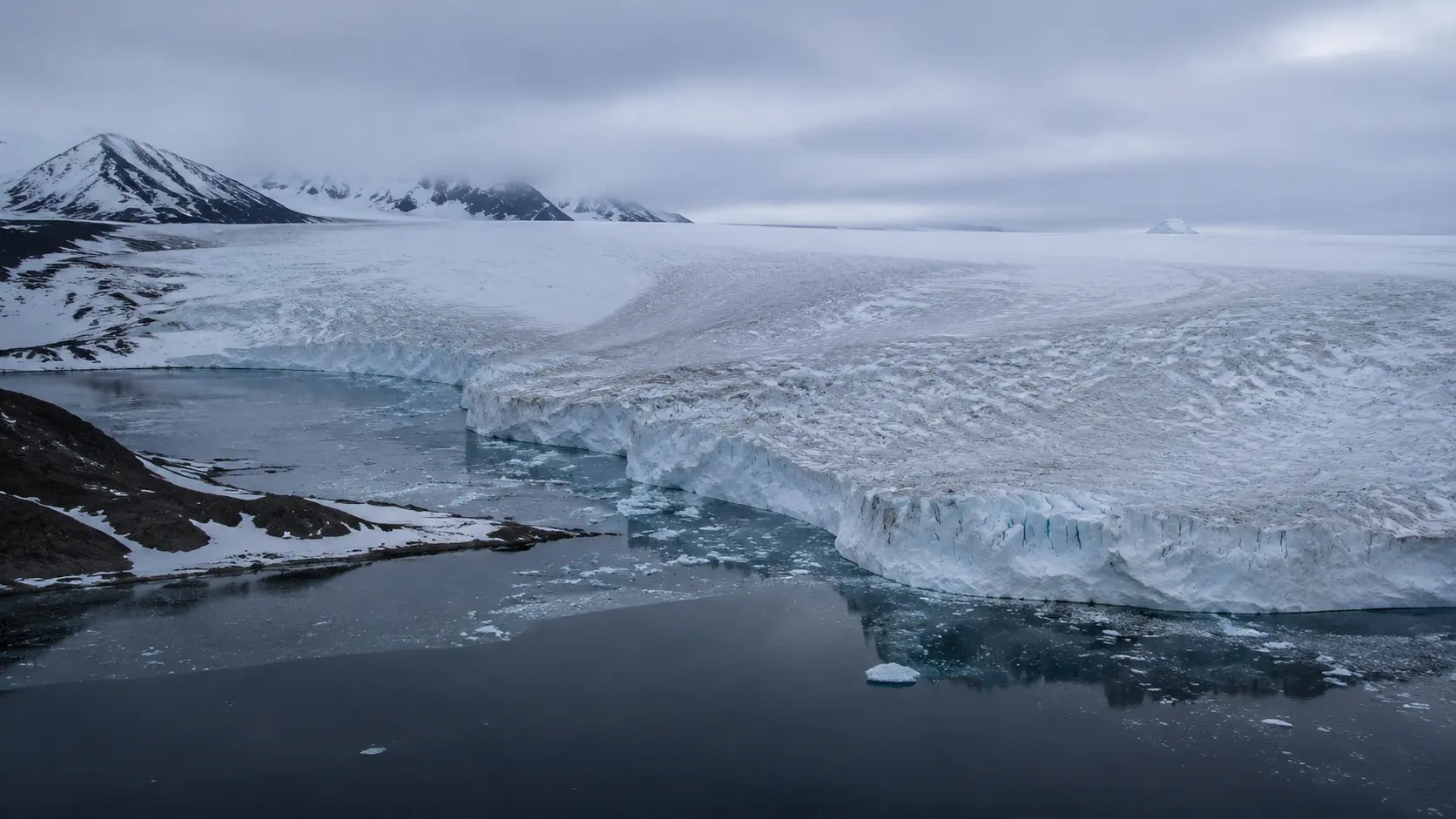
Reviewed September 2026
Ice and Sea Level
How ocean-driven melting, ice-shelf loss, and unstable bed geometry affect West Antarctica and global coastlines
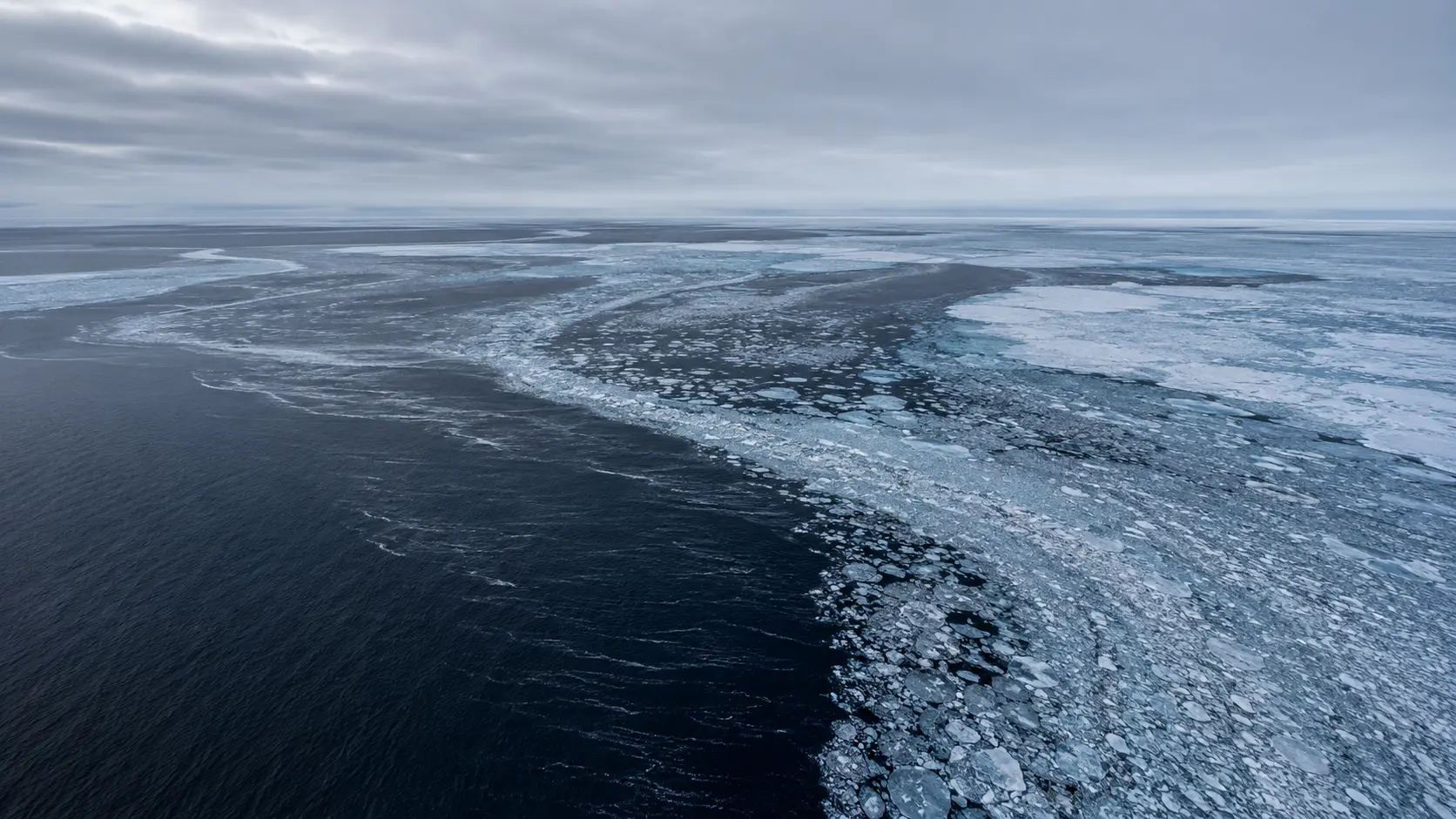
Reviewed October 2026
Warming and Circulation
How heat and circulation connect Antarctica to the wider climate system—and how to read a volatile sea-ice record
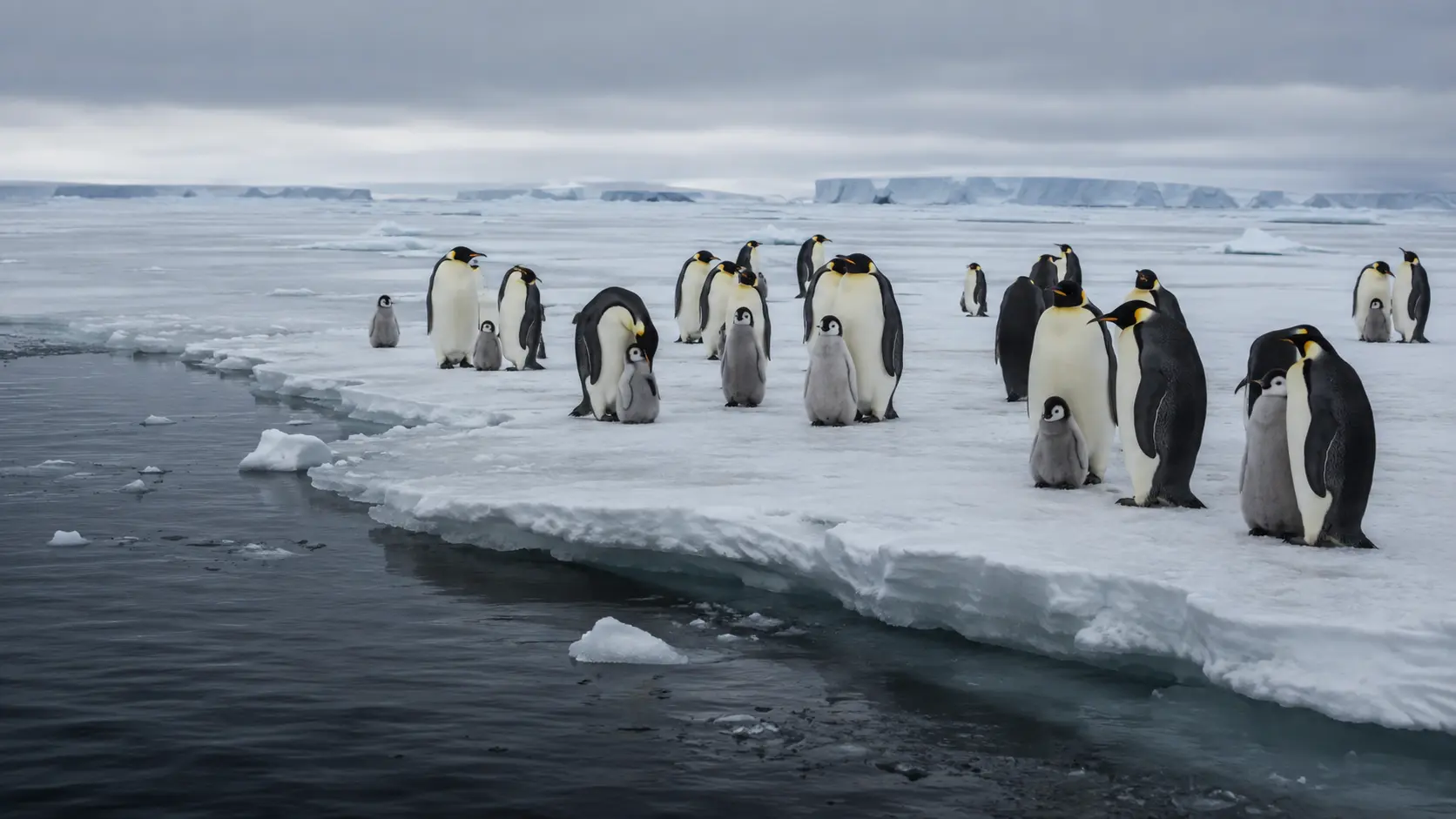
Reviewed October 2026
Polar Ecosystems
What changing sea ice, ocean chemistry, disease, and fishing pressure mean for krill, penguins, seals, and food webs
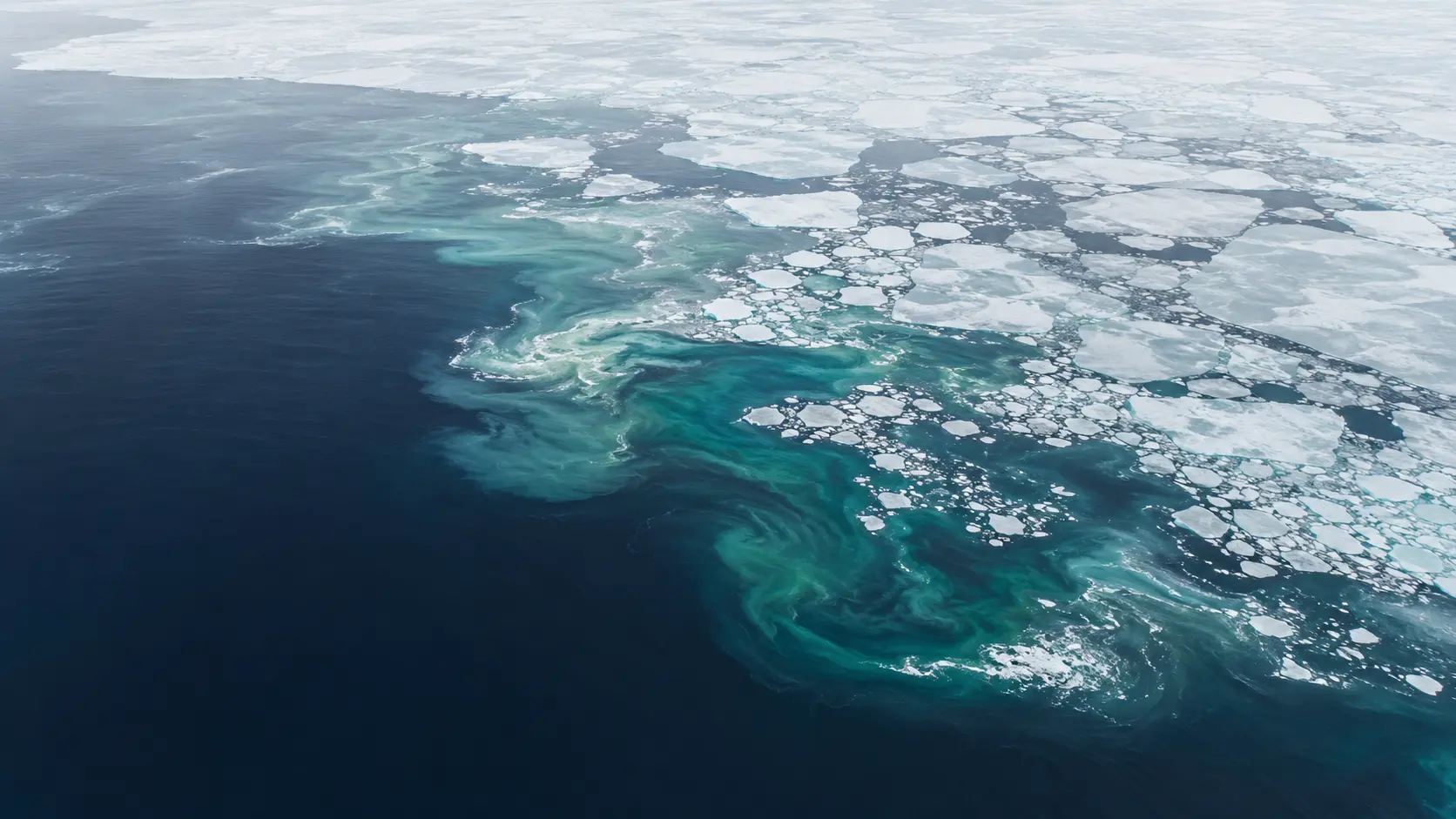
Reviewed September 2026
Oceans and Carbon
Why the Southern Ocean is a major carbon and heat sink—and why that service cannot be taken for granted
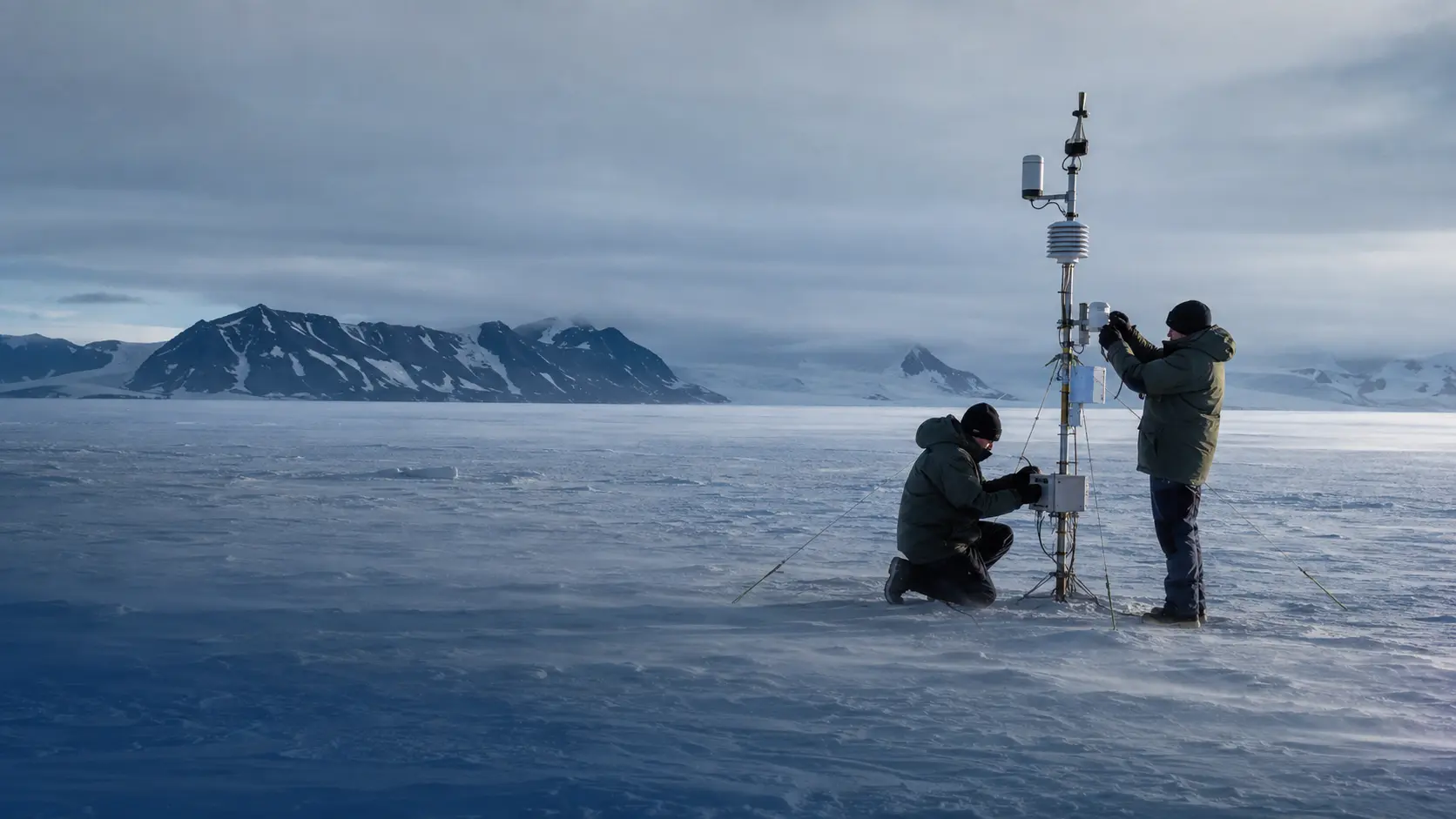
Reviewed October 2026
Research and Response
How Antarctic change is measured, where uncertainty remains, and why analysis and communication also need continuity
Editorial standard
The briefings are interpretation, not original scientific research. Primary sources are preferred, uncertainty is stated, and scientific claims are revised when the underlying evidence changes. A dramatic season is not treated as a trend, and a wide projection range is not treated as ignorance. The full approach is described in Sources and Method.